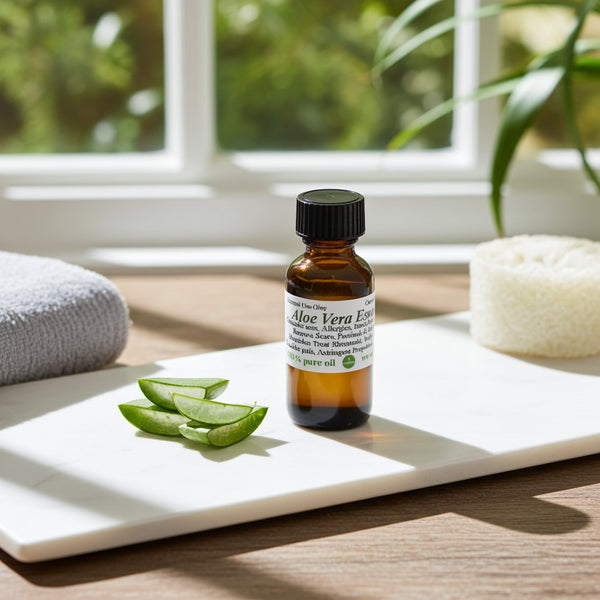
Our essential oil shelf covers the classics and the harder-to-find notes in one place. Fresh citrus like lemon, lime, bergamot and grapefruit sit beside herbal oils such as rosemary, basil, thyme and clary sage, and deeper base notes including frankincense, myrrh, vetiver, patchouli and sandalwood. You can smell many of them before you buy at our Hollywood store.
Benefits of Essential Oils
A few drops change how a room smells without candles or sprays. Citrus and mint oils give a bright, clean scent for a kitchen or workspace, while lavender, chamomile and cedarwood make a softer, calmer aroma for the evening. Because each oil is a single note, you can blend your own combinations and adjust them to suit the season.
How to Choose Essential Oils
Start with the scent family you already like: citrus, floral, herbal, woody or spicy. Bright top notes such as lemon and peppermint fade quickly, while base notes such as vetiver and sandalwood last for hours, so blends usually mix one of each. A few bottles in the range, such as apple, chocolate, coffee and vanilla, are aroma oils made for scent rather than steam-distilled plant oils; each product page says what it is.
Popular Types
Citrus and Fresh
Lemon, lime, orange, tangerine, grapefruit, bergamot, peppermint and eucalyptus.
Floral and Herbal
Lavender, chamomile, geranium, neroli, ylang-ylang, rosemary, clary sage and basil.
Woody and Resinous
Frankincense, myrrh, sandalwood, cedarwood, vetiver, patchouli and palo santo.
How to Use
Add 3 to 5 drops to the water in an ultrasonic diffuser, or blend a few drops into a carrier oil before it touches skin. Find diffusers in our humidifier and diffuser collection, ready-blended scents in our burning oils and skin-ready fragrance in our body oils. Never apply undiluted oils to skin or swallow them, patch-test first, keep bottles away from children and pets, and check with a doctor before use if you are pregnant or have a health condition.